Published: 17 October 2026
In short
- Wet wipes should not be flushed, and the ones sold as flushable still travel through the pipes in one piece.
- A wipe catches on the grease clinging to the pipe wall and, over time, turns into a hard mass that hot water cannot melt.
- In a block of flats, the wipes from every flat meet in the same shared stack, and the lower floors suffer most.
- A lidded pedal bin placed right next to the toilet changes the habit on its own.
Because the subject is so widely debated, we have gone through the common beliefs one by one. After that we list the other things that should never go down the toilet, and the bin habits that actually work in a bathroom.
Do wipes labelled flushable really break up?
No, these wipes do not break up as quickly or as completely as toilet paper. Toilet paper softens the moment it hits the water and separates into fibres after a short swirl. Wipes sold as flushable are made with a tighter weave so that they do not tear in use. If they stay under strong, sustained water movement they partly dissolve, but household and building pipes have no such movement: wastewater flows slowly along the gradient, and the wipe travels largely in one piece.
The wording on the packet usually only tells you that the wipe can pass through the toilet. Passing through the toilet and travelling all the way to the end of the line without catching are two different things. Most blockages begin in the first few metres after the first bend, at points where the pipe changes direction and where the joints are.
Does one wipe really matter?
A single wipe often does not cause a blockage straight away. The problem is the build-up. The first wipe to catch on a pipe bend, a joint ridge or a slightly sunken spot becomes an anchor. Paper, hair and other wipes arriving over the following days wrap around it. Within a few weeks a clump forms that narrows the pipe's cross-section, and one day an ordinary flush is enough to make the water start rising.
In a block of flats this sum grows with the number of floors. The few wipes that go down now and then from each flat meet in the same shared stack. The lowest turn of the stack, or the point where the building connects to the manhole, is where this load collects, and the flats on the ground floor are usually the ones that live with the overflow.
What happens when wipes meet grease?
Grease, soap residue and detergent from the kitchen and bathroom solidify in cold pipes and stick to the pipe wall. This sticky layer holds on to any wipe passing through, and the wipe in turn stops the grease from flowing away. Together they form a hard, fibrous mass that hot water does not melt and a plunger cannot shift.
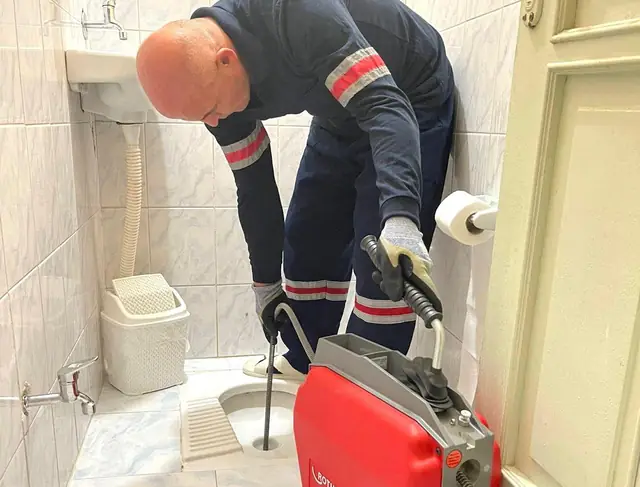
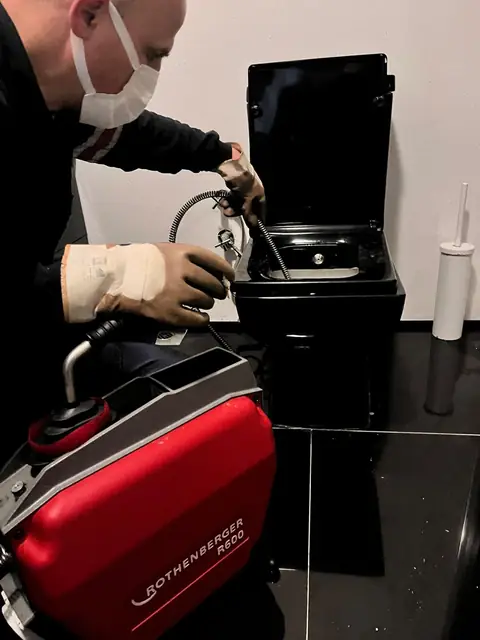
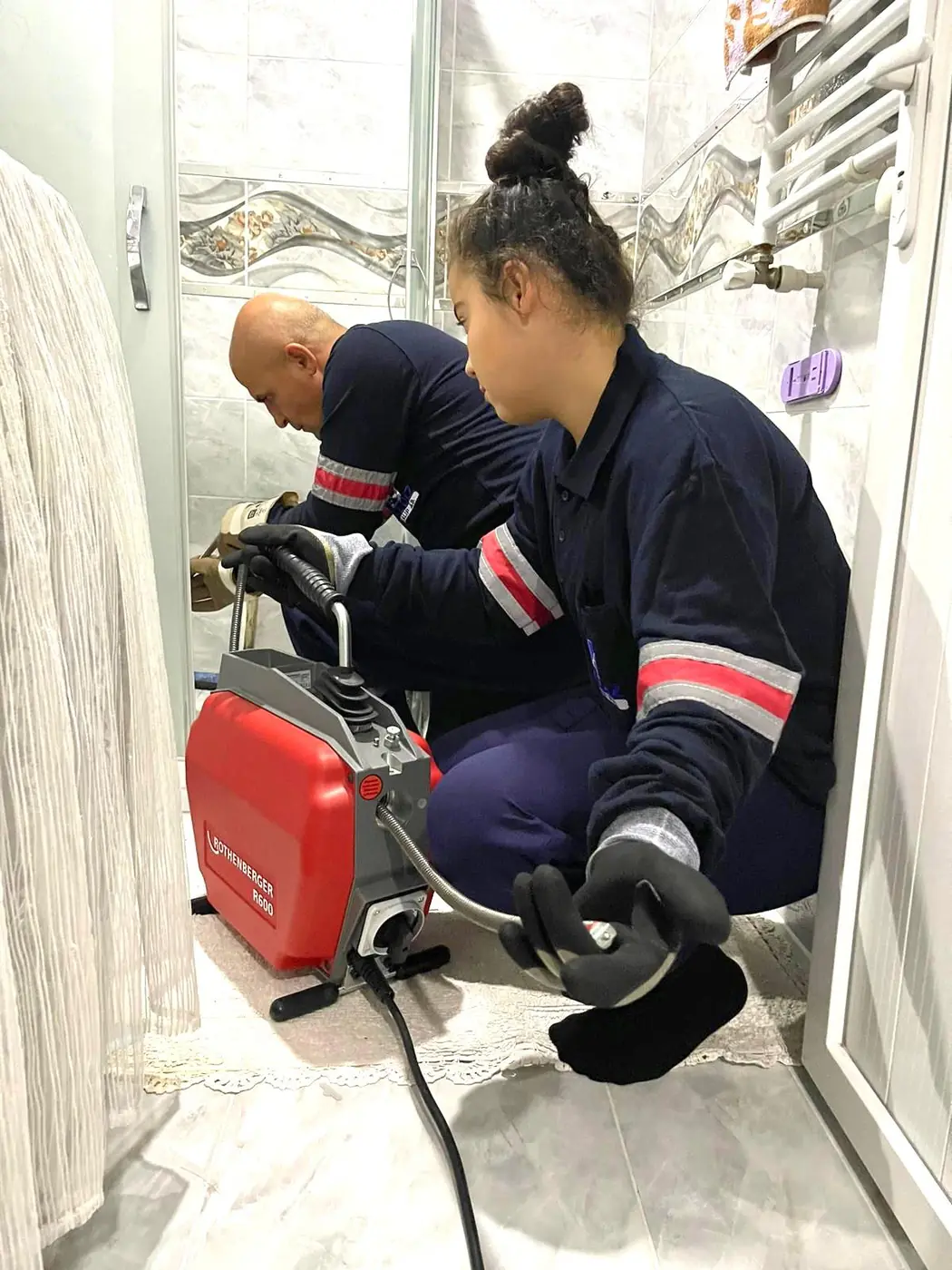
Blockages like this are also hard to clear with a hand-operated wire. The wire pushes through the middle of the mass and makes a hole, water runs for a while, but most of the fibres stay on the pipe wall and the blockage soon returns. For a lasting clean, the mass has to be broken up with motorised drain snake heads, and the pipe wall then washed with high-pressure water jetting.
In restaurants, cafés and busy workplaces this process moves much faster. Grease from the kitchen drain and wipes from the shared toilets meet in the same main pipe, and a build-up that would take months in a home plumbing system is complete within weeks. In places like these, putting a lidded bin next to every toilet should be treated as part of plumbing maintenance.
Other things that should not go down the toilet
Wet wipes top the list, but they are not alone. Nothing except toilet paper and human waste should go down the toilet. These are the most common exceptions.
- Sanitary pads and tampons: They absorb water, swell layer by layer and block the bend completely.
- Nappies: Because of the absorbent gel inside, they almost never get through the toilet, and if they do, they lodge in the pipe.
- Cotton buds: The plastic stick sits crosswise in the bend and acts like a bolt, holding back the paper coming behind it.
- Dental floss: It does not rot away. It combines with hair and wipes and knots into a net inside the pipe.
- Make-up pads and cotton wool balls: When wet they compress and clump, and they do not break up like toilet paper.
- Cat litter: It hardens as it gets wet and builds up in layers on the bottom of the pipe.
- Cooking oil: It passes through the toilet as a liquid, then solidifies as it cools in the pipe.
- Kitchen paper and napkins: They are made to be durable, so they stay in one piece in water for a long time.
Bin habits that work in a bathroom
The most common reason a wipe ends up in the toilet is that there is nowhere else to put it. A lidded pedal bin within reach of where you sit works far better than warning notes. A few small adjustments make the habit stick.
- Always line the bin with a bag, and keep small sealable bags for pads and nappies.
- Put up a short, polite reminder in the guest toilet and in the shared toilet at your workplace.
- Teach children to put the wipe in the bin as part of their toilet routine.
- Let frying oil cool and collect it in an old bottle. When it is full, close the cap and take it to a used cooking oil collection point.
- If you are in building management, put a notice on the entrance board listing what should not be flushed.
How is a wipe blockage cleared?
Chemical drain openers do not work on a blockage caused by wipes. They may soften paper and organic waste, but they do not break down synthetic fibres. Baking soda and vinegar only have an effect on light grease and soap build-up. If the water is standing in the toilet, do not flush again, turn off the cistern tap, and try the plunger only if the blockage is inside the toilet itself.
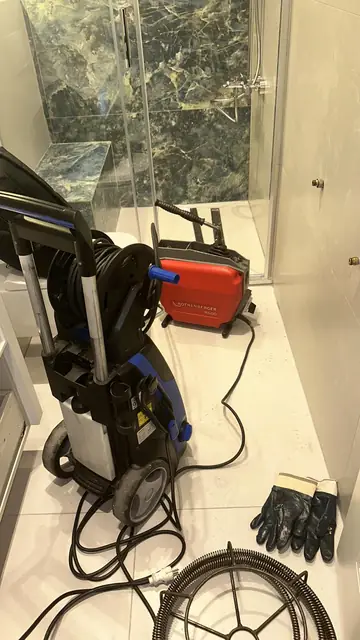
If water is rising on the lower floors or several drains have slowed down at once, the wipes have reached the shared stack or the building line. In this case the Cantley team locates the blockage with a camera, breaks it up with a drain snake machine, and then cleans the grease layer on the pipe wall with pressurised water. No tiles are broken in any of these jobs.