Published: 17 October 2026
In short
- Backflow is dirty water rising up through a building's lowest drain when the street line is full.
- When the water starts to rise, stopping water use on both lower and upper floors straight away slows the overflow.
- For lasting protection, a backflow valve fitted at the right point on the lower-floor lines comes first.
- A building line cleared of sediment and roots drains the water quickly once the street line eases.
- Reducing or raising the drains that sit below street level cuts the risk at its source.
It helps to think of the precautions in three stages: before the rain, while the water is rising, and once it has all passed. What you do is different at each stage, and most lasting solutions are planned on a calm, dry day.
Why is it always the lowest floor that is affected?
Water always looks for the lowest outlet in a line. Every drain in a building is an outlet, and when the street line fills, the ones closest to street level or below it overflow first. That is why the basement floor drain, the car park grate, and the shower and toilet on the ground floor give the first warning.
On Istanbul's sloping streets, even two buildings on the same street can face different levels of risk. Buildings at the bottom of a slope or in a dip feel the street line filling earlier. Bathrooms and laundry rooms added to a basement later are also often at the top of the risk list, because they usually sit below the level of the old line.
What to do before the rainy season
A few preparations made before a downpour win back the time you would lose once the water rises. Sharing this list with building management is also a way of not leaving the responsibility with a single flat.
- Identify the lowest drains in the building: the basement floor drain, the car park grate, the ground-floor bathroom.
- Find out when the building line and the manhole were last cleaned, and have them checked if they have not been looked at for a long time.
- If you have a backflow valve, note where its service cover is and when it was last opened and checked.
- Move electrical appliances, documents and valuables in the basement up off the floor.
- Check whether roof and balcony water is connected to the dirty water line. This connection fills the line further during rain.
- Decide on a quick way to warn your upper-floor neighbours when the rain starts.
In what order should you act as the water rises?
As the water rises, deal with safety first, then water use, and only then the overflowing outlet. The signs usually start small: gurgling in the floor drain, water moving by itself in the ground-floor toilet, a heavy smell coming from the shower tray. When you see these signs, follow this order:
Once the water recedes, do not go straight back to normal use either. Heavy water use before the street line has fully eased can start a second wave. After the rain has lightened, it is safer to wait a while and try the drains one at a time with a little water.
- Keep away from sockets in the flooded area and, if necessary, switch off the fuse for that section.
- Stop using all the drains on the lower floor and switch off the washing machine and dishwasher.
- Warn the upper floors, because the water they run goes down the same line.
- Press a sturdy bag filled with water, or a sandbag, over the overflowing drain to slow the overflow.
- Do not open manhole covers, and do not stand beside a full chamber.
Cleaning up and keeping a record after the water recedes
Water that flows back is dirty water from the sewer network, and it contaminates every surface it touches. Work in gloves and boots, set aside wet carpets, cardboard and wooden items, and ventilate the area for a long time after cleaning the floor. If moisture remains in the lower part of the walls, wait for it to dry and do not cover it straight away with paint or cladding.
Taking photos of the incident and noting which drain the water came from and how high it rose will be very useful later. This record gives the first clue both when you talk to building management and when deciding where the backflow valve should be fitted.
What are the lasting precautions?
To avoid living through backflow again with every rainfall, the measures you can take on the building side fall under a few headings. Which one suits you depends on how the line was laid and which drains are at risk.
If the position of the backflow valve is chosen at random, it either fails to stop the water coming from the street or cuts off the flow from the upper floors as well. That is why the line should be inspected with a camera before installation, and it should be clear which drains will be protected.
- Backflow valve: a device fitted to the lower-floor lines that lets water flow only outwards.
- Raising the connection: where possible, lifting the low drains or connecting them to the line at a higher point.
- Separating the line: splitting the lower floors' line from the upper floors' and protecting only the risky section.
- Correcting a wrong connection: keeping roof and balcony rainwater out of the dirty water line.
- Regular maintenance: keeping the building line and manholes free of sediment and roots.
How does a clean building line reduce backflow?
A clean building line pulls the water on the lower floors back quickly as soon as the street line eases, which shortens the backflow and lowers how high it rises. The real cause of backflow is the street line filling up, but the condition of the building line decides how big the problem becomes. A line narrowed by sediment or invaded by roots carries the building's own wastewater slowly during rain too. The water from the street and the water from the building meet in the middle, and the level rises faster.
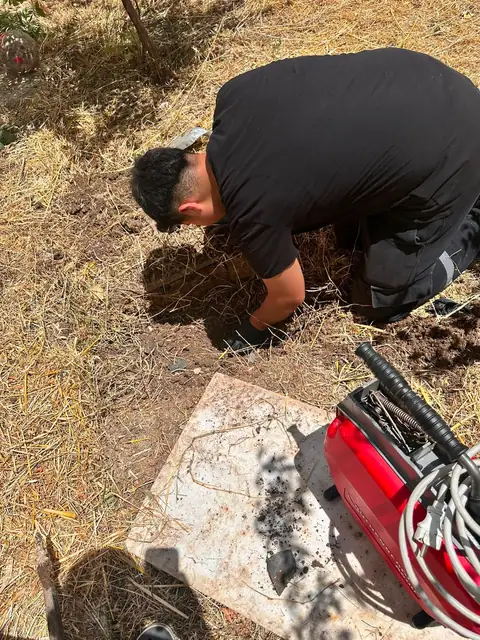
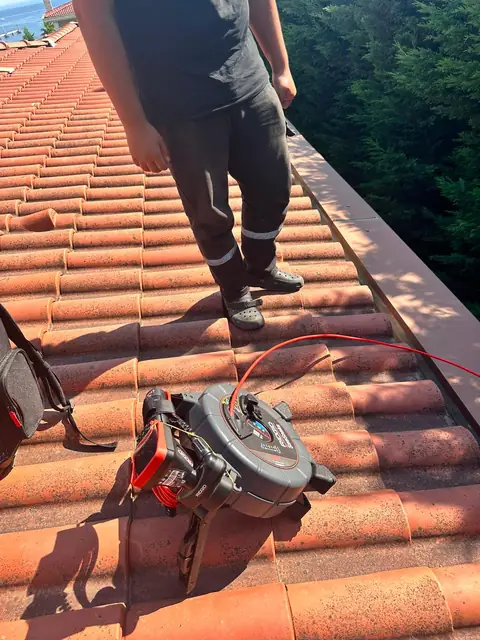
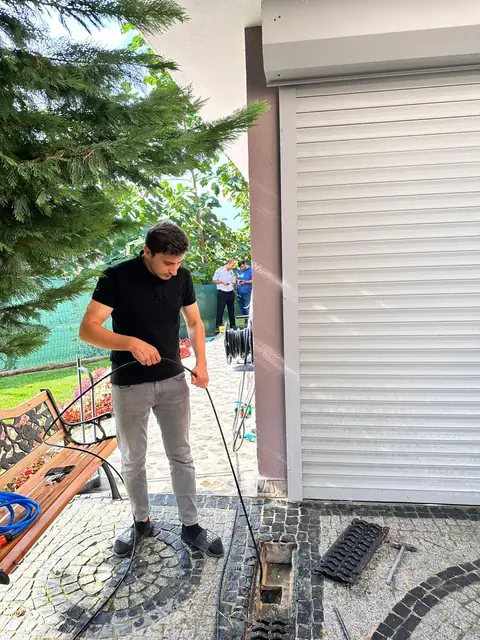
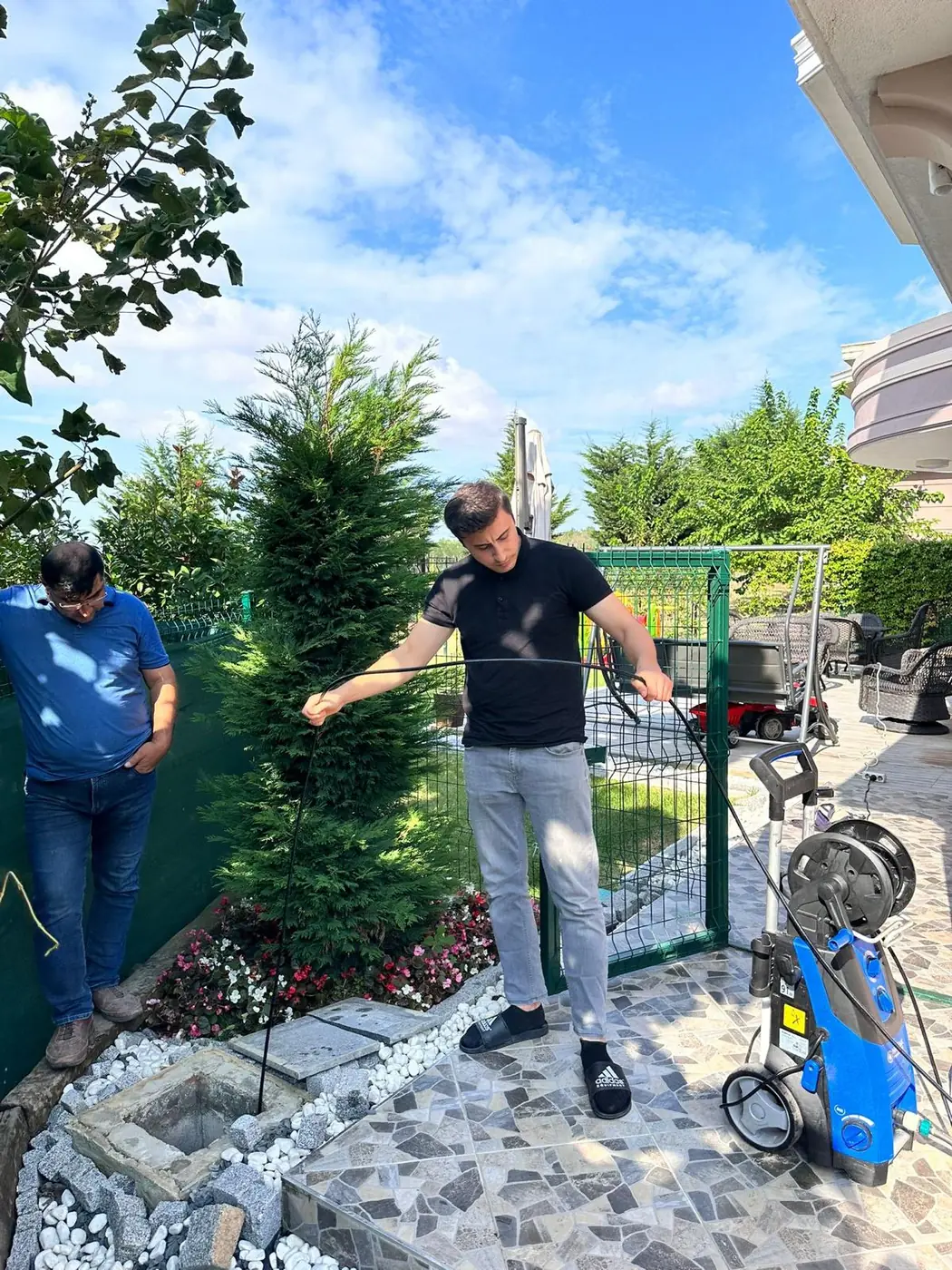
For this reason, a camera inspection of the building line before the rainy season, and high-pressure water jetting if needed, is as valuable a preparation as a backflow valve. The valve itself is also checked during this inspection, because a small piece of sediment caught on its flap can stop the valve from closing fully.