Published: 17 October 2026
In short
- A manhole smell mostly comes from waste water sitting in the chamber, or from a cover that cannot hold the gas in.
- If the edge of the cover is wet along with the smell, the problem is a blockage on the outlet side.
- Dry floor drains in the basement are among the most common ways sewer gas enters a building.
- Manhole gas is toxic and suffocating: do not open the cover and lean over it, and never climb inside under any circumstances.
Where you notice the smell says a lot about its cause. The smell at the manhole in the garden and the smell in a basement or a ground-floor bathroom may not come from the same place. Going through the causes one by one is the shortest way to the right fix.
How to tell the source of the smell at a glance
A few observations you can make without touching the cover or leaning over it narrow down the source of the smell quite a lot. When you call our team, describing these observations helps the job start with the right preparation.
- If the smell is only noticeable at the manhole and fades with the wind, look at the cover and its frame.
- If the smell is constant and getting heavier, and the edge of the cover is also wet, the chamber may be holding water.
- If the smell is in the basement, in an unused room or in the laundry room, think of a dried-out floor drain.
- If the smell gets stronger after rain, the flow may have slowed somewhere along the line.
- If the smell becomes stronger on hot days, the layer of sludge and grease building up at the bottom of the chamber may be the cause.
A loose, broken or wrong type of cover
A manhole cover is more than a lid: it is a seal that keeps the chamber's gas inside. A cover that does not sit fully in its frame, has a broken edge or is the grated type lets gas leak out all the time. In car parks where vehicles drive over them, covers gradually start to move in their frames, rattle as they are driven over and the gap grows.
For manholes inside buildings, especially in basements and boiler rooms, the cover has to be the airtight type. If a grated cover made for outdoor use has been fitted in a basement, the smell is unavoidable. Replacing the cover or reseating its frame often solves the problem on its own.
What does standing water in the chamber tell you?
Standing water in the chamber means there is a blockage on the outlet side of the manhole. In a healthy manhole the water runs through the channel at the base and the chamber stays dry or nearly dry. If there is an obstruction in the outlet pipe, in the line beyond it or in the street line it connects to, the water starts to build up, turns foul quickly and a heavy smell rises from every gap in the cover.
In this case the smell only goes once the obstruction holding back the water is cleared. Cleaning the chamber alone is not enough. If there is wetness at the edge of the cover, slow drains on the ground floor or mud around the manhole, the smell is a warning of an overflow and waiting will only make the job bigger.
Dried-out traps and floor drains
Under every drain inside a building there is a small water seal that keeps sewer gas out. This water, held in the sink trap, under the shower tray and in floor drains, stops air coming from the manhole and the shared stack from rising into the room. In a drain that has not been used for a long time, this water evaporates and a path opens for the gas.
This smell is most often met on returning from a summer house, in flats left empty after a change of tenant and in rarely used basement floor drains. The fix is simple: pouring a bucket of water into unused drains at regular intervals renews the seal. If the smell continues after the water has been poured, the cause has to be looked for elsewhere.
Sludge and grease building up at the bottom
Even when water is flowing, a layer made of sludge, sand, grease and fibrous waste builds up at the bottom of the manhole over time. This layer stays permanently wet and becomes a source of smell in its own right. On lines serving restaurants and cafés, grease sticks to the chamber walls and speeds up this process.
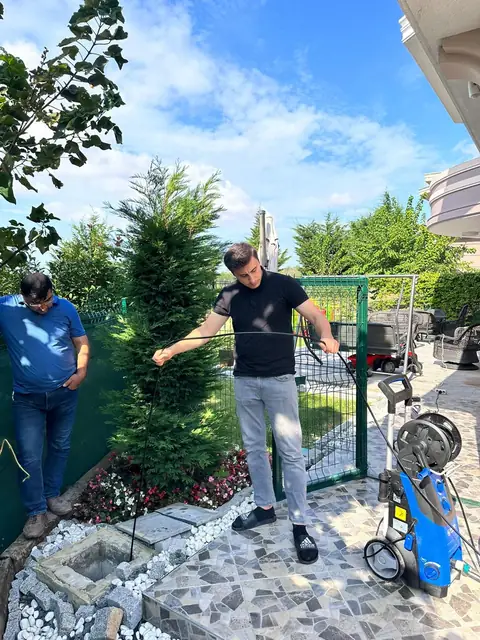
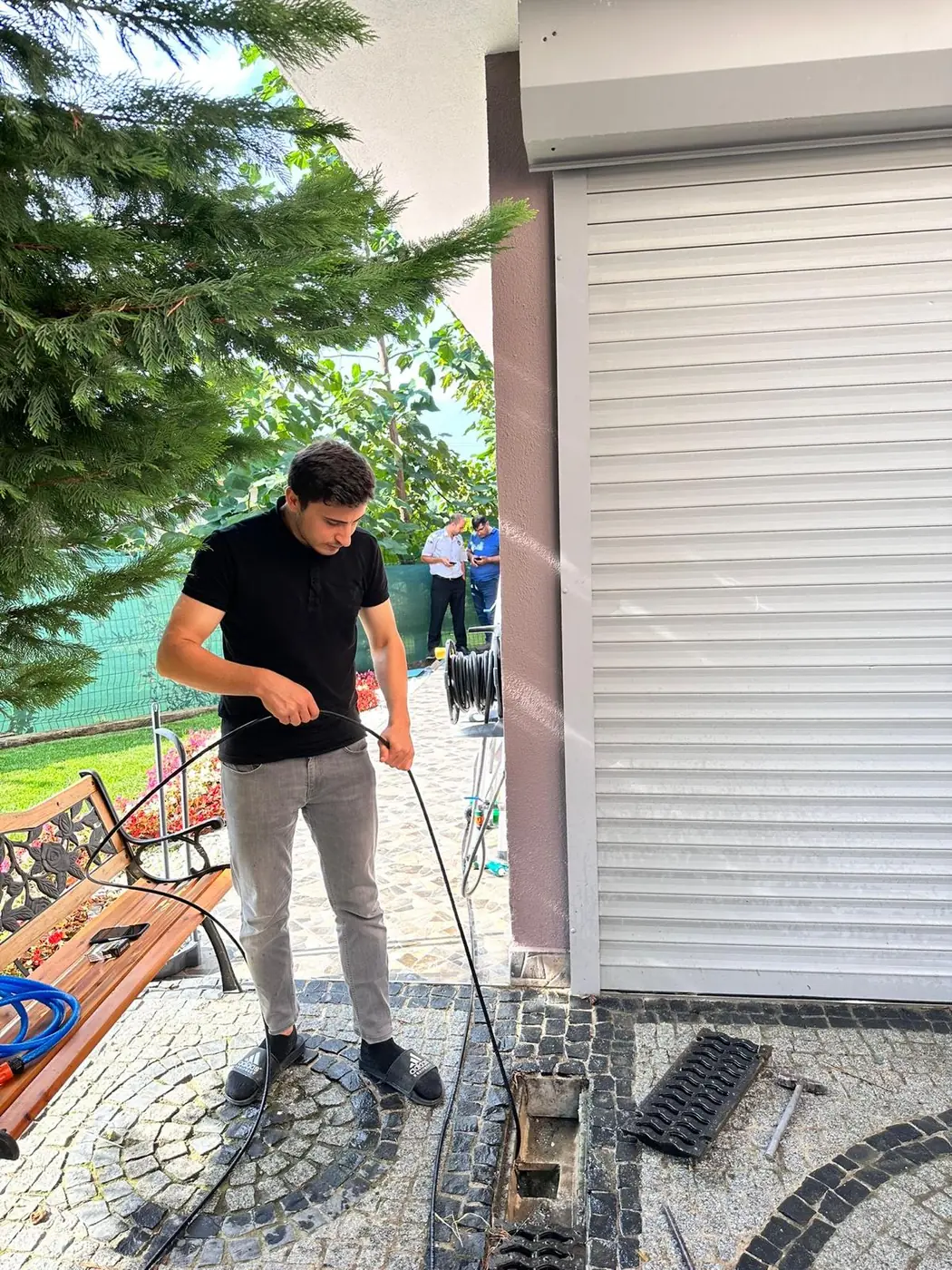
Washing such a chamber with pressurised water and clearing the outlet line both reduces the smell and delays the next blockage. If the channel at the base is damaged, water pools in the corners. This is easy to see from above and with a camera.
Regular maintenance to stop the smell in advance
Most manhole smells come from small oversights that could have been noticed before the problem grew. For building and site management, a few habits keep both the smell and overflows away.
- Mark the position of the manhole covers in the garden, car park and basement on a sketch plan, and do not cover them over.
- Check from time to time that the covers sit fully in their frames and do not rattle when driven over.
- Pour water regularly into basement and laundry room floor drains, even if they are not used.
- Have the base of the manholes and the outlet line checked before the rainy season.
- On lines that a restaurant or café is connected to, keep a closer watch on grease build-up.
Why is manhole gas dangerous?
The gas that collects inside manholes and inspection chambers does more than smell bad. It contains toxic, suffocating or flammable components such as hydrogen sulphide and methane, and the ones heavier than air gather at the bottom of the chamber. Because hydrogen sulphide dulls the sense of smell at high concentrations, you should not conclude that the area is safe just because the smell has faded.
- Do not open the cover and lean over it, and do not bring your head close to the mouth of the chamber.
- Never climb down into a manhole under any circumstances. Even if you see someone who has collapsed inside, do not go in: call 112 immediately.
- Do not smoke or light a flame near the manhole.
- Ventilate the enclosed space where the smell is strong, and keep children and pets away.
- If a cover has been left open, block off the area around it with a barrier so that nobody falls in.