Published: 17 October 2026
In short
- Scraping plates into the bin before they reach the sink is the habit that does the most to reduce the load on kitchen drains.
- Floor drain baskets and sink strainers should be emptied every day at closing.
- If planned line jetting is scheduled outside service hours, the kitchen never has to close for even a day.
- A simple maintenance log shows which menu or seasonal change makes blockages more frequent.
This routine is grouped by frequency so that a business owner or head chef can hand it out to staff. Every kitchen has a different menu and level of activity, so you may need to make the schedule more frequent or more spread out based on your own records.
Before the sink: plate and pot habits
Most of what ends up in the kitchen drain comes from the dishwashing counter. If plates brought back by the waiting staff are scraped into the bin at a scraping point before they reach the sink, the amount of solid waste the drain has to carry drops noticeably. Wiping grease from pots and pans with paper works on the same logic.
These habits should be explained to new staff on their first day and written somewhere visible in the dishwashing area. In cafes the step most often skipped is rinsing espresso machine grounds down the sink. Grounds settle like sludge in the water and harden once they bind with grease.
- Scrape plate leftovers into the scraping bucket.
- Collect frying oil and pan grease in a separate container and never pour it down the drain.
- Put coffee grounds, tea leaves, eggshells and rice in the bin.
- Pre-rinse with warm water and do not send boiling water straight down the drain.
End-of-day checks at closing
The end of the day is the easiest time to check the drains, because the water flow has stopped and the line is expected to rest until the next day. If the dishwasher or whoever closes follows a short checklist in the same order every evening, small build-ups are cleared before they grow.
Floor drain baskets are the most neglected part of the kitchen. When a basket is full, mop water and spilled liquids flow over the strainer and crumbs go straight into the pipe, while emptying the basket takes only a few movements.
- Lift the floor drain covers and empty the baskets into the bin.
- Clean the sink strainers and the dishwasher filter.
- Run warm tap water from each sink for a while to flush the line.
- If you notice a slow-draining drain, make a note and pass it to the person in charge the next day.
Weekly and monthly maintenance schedule
Weekly jobs are checks that take too long to fit into the end of the day but turn into blockages if neglected. Monthly jobs focus on the parts of the line outside the kitchen and on the grease trap. Writing who is responsible next to each item stops the job being skipped on the assumption that "someone will do it anyway".
- Once a week: open the floor drain traps and remove the sediment inside.
- Once a week: empty the under-counter grease trap and scrape the baffle plates.
- Once a month: open the lid of the below-floor trap and measure the thickness of the grease and sediment layer.
- Once a month: open the manhole cover in front of the premises or in the back yard and check the water level.
- At the start of the season: update the schedule, taking into account fried items added to the menu and a rising number of customers.
Scheduling line jetting outside service hours
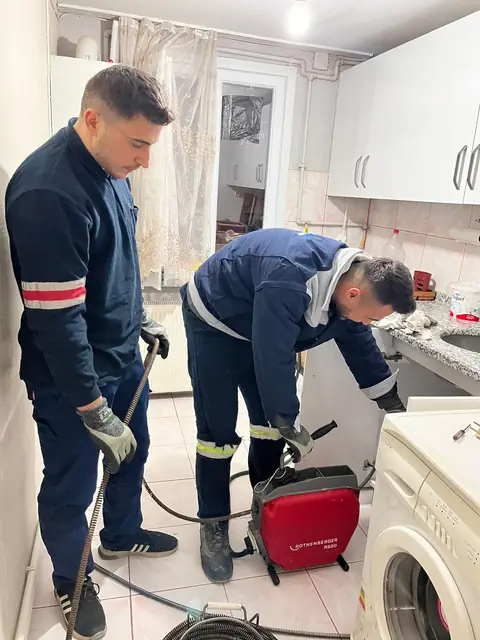
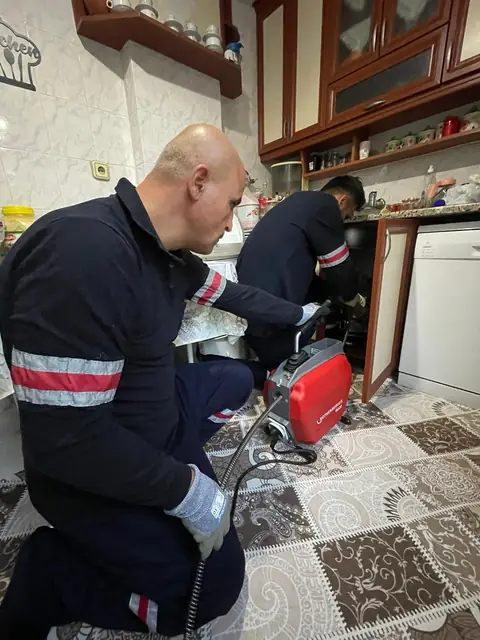
Even if end-of-day cleaning keeps the sinks running, the grease clinging to the pipe walls thickens over time. To remove this layer, the kitchen line needs to be cleaned with high-pressure water, and the drains on the line cannot be used during the jetting. For this reason the job should be planned for after the evening service closes or before the morning opening.
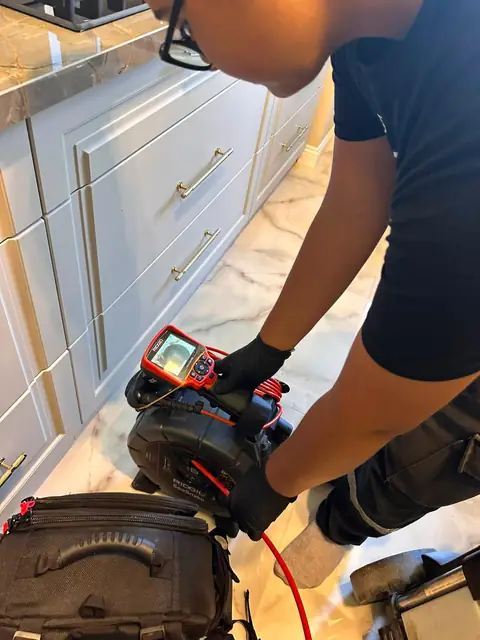
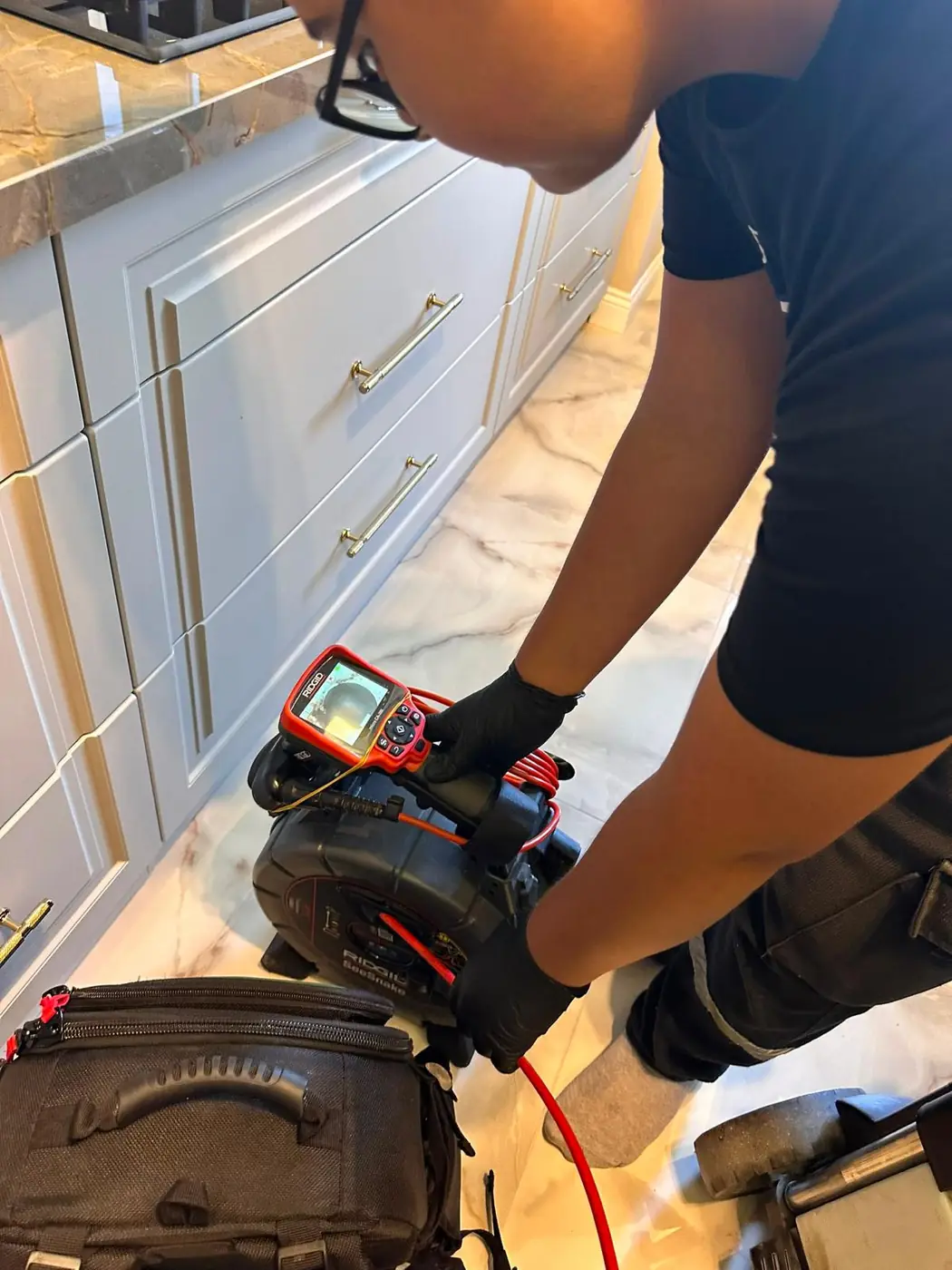
Before the team arrives, the area in front of the floor drains, the trap cover and, if there is one, the cleanout access point is cleared, and the cabinets under the sinks are emptied so the traps are easy to reach. If the business is on the ground floor of an apartment building, it is a good idea to tell the management. If the jetting is done on the shared line, the flats on the upper floors may be asked to use less water at that time. A camera inspection after the jetting reveals problems that are not grease, such as a sagging pipe or a gradient fault.
What should go in the maintenance log?
A simple one-page table makes kitchen drain maintenance independent of individuals. Even if the shift changes or the dishwasher leaves, the new person can see what was done and when. Because the log also shows in which periods blockages become more frequent, it helps you spot causes such as a menu change, a new fryer or growing takeaway orders.
Showing the log when you call a technician also helps. If it is known when the last jetting was done and what layer thickness was measured in the trap, the location of the problem is found more quickly.
- Date and the person who did the work
- Work done: basket, trap, grease trap, line jetting or camera
- Thickness of the grease and sediment layer in the trap
- Any drain that is slow, smells or lets water rise
- Service called and the advice given
When the routine is not enough: time to call the team
Even in a kitchen with regular maintenance, some signs show that there is a problem deeper in the line. In that case the line needs to be inspected rather than treated with a chemical opener. These products can wear down plastic drain pipe and rubber seals, burn staff if they splash, and instead of dissolving the grease layer they only open a narrow channel through it.
- The floor drains let water rise even though the baskets are clean.
- Several sinks drain slowly at the same time.
- The grease trap fills up again quickly despite being cleaned recently.
- The water level in the manhole stays high or overflows from the cover.
- Neighbours in the same building say their drains are backing up.