Published: 17 October 2026
In short
- In most repeat blockages, the way the pipe was laid matters more than what was put down it.
- On a line with too little fall or a sagging section, water stands and sediment settles where it stands.
- Sharp bends and reductions in diameter are the first places where foreign objects catch.
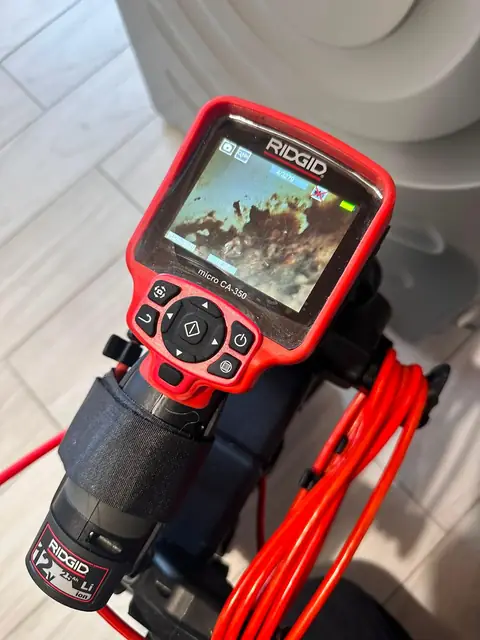
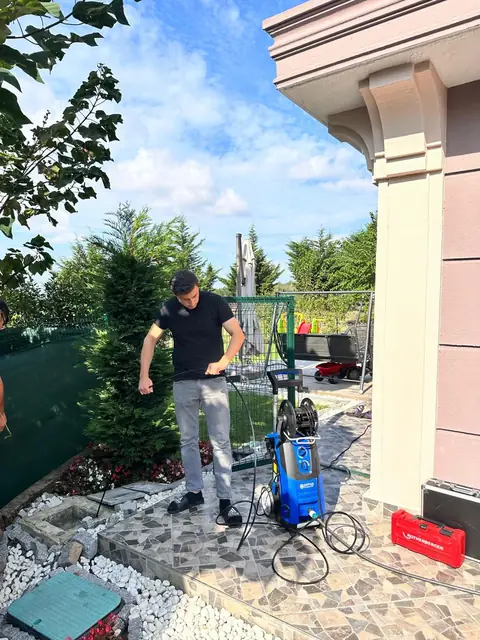
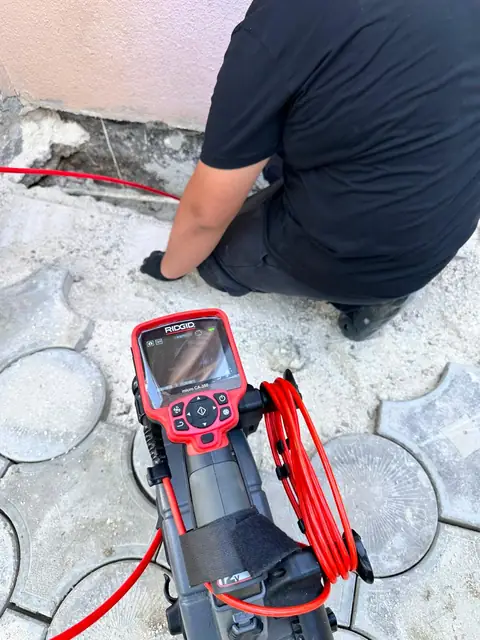
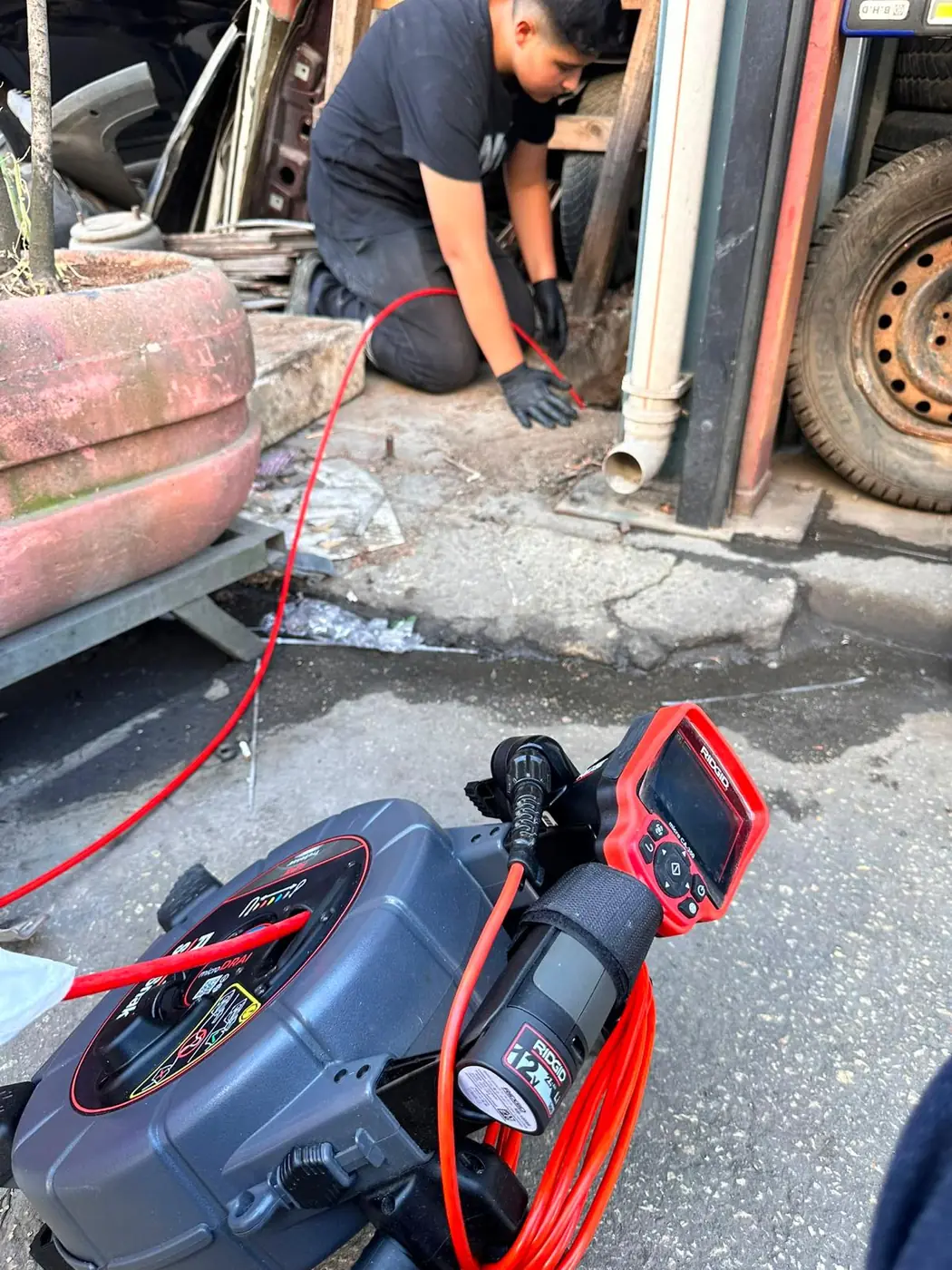
- Roots entering and collapse in lines outside the building can only be confirmed with a camera.
- Improving daily habits lengthens the time between blockages, even on a faulty line.
We have gone through each cause one by one and added the check or precaution you can take if you suspect it. You can observe some of them yourself, while others only become clear once a camera is lowered into the line.
Lines laid with too little fall
In waste water pipes, gravity is what keeps the flow moving, so every horizontal pipe must slope gently downwards in the direction of flow. If during a renovation the pipe is left too flat inside the screed to save space, or one end lifts as it is fixed to the wall, the water slows down. Slow water drops the sand, soap residue and hair it carries, and a thin ridge forms on the bottom of the pipe.
The typical sign of a fall problem is a drain that never blocks completely but always runs slowly. After a shower, water stays in the shower tray for a while and then drains away slowly.
- On any visible pipe sections, check whether there is a clear drop in the direction of flow.
- Slow drainage that starts right after a renovation points to a fall error.
- For a firm diagnosis, a camera has to show where the water stands inside the pipe.
Pipes that sag and belly
A pipe that was laid at the right fall to begin with can still give way over time. PVC pipes in a suspended ceiling with widely spaced support clips soften as hot water passes through and droop between two clips. In underground lines, the same result comes from the fill beneath the pipe settling.
Some water always remains in the sagging section. This small pool turns into a reservoir where grease and sediment collect, and the blockage forms at almost exactly the same spot every time.
- Where the suspended ceiling can be opened, have the clip spacing and the straightness of the pipe checked.
- Check whether the outlet of hot water appliances connects to a long horizontal PVC run.
- Blockages that always end at the same place suggest a sag at that point.
Sharp bends, sudden reductions and poor joints
Every point where a drain line changes direction slows the flow a little. Using two gentle bends instead of a single right-angle elbow reduces the chance of a foreign object catching. In renovations, common mistakes include connecting a wide pipe to a narrow fitting or adding two bends one after the other.
Places where different materials meet are also risky. If a PVC drain pipe has been forced onto an old cast iron stack with a gasket instead of a proper transition fitting, a step is left on the inner surface at the joint. Hair and fibres catch on this step, and soap and grease stick to them.
- If a new blockage point appears after a renovation, question the joint fittings.
- The pipe diameter should not narrow in the direction of flow. It should stay the same or widen.
- On long lines with several bends and no cleaning point, adding an access hatch for maintenance helps.
Old pipes with a roughened inner surface
Cast iron and galvanised pipes, common in older buildings, rust and scale on the inside over the years. A rough surface holds far more material than a smooth plastic pipe. Limescale deposits from hard water also build up layer by layer on these rough spots and narrow the inner diameter of the pipe.
On lines like this, a blockage comes back quickly even after it is cleared, because the surface that material sticks to is still there. Seeing the condition of the pipe also matters when choosing the clearing method, since a badly thinned cast iron pipe may not withstand rough treatment.
- On cast iron stacks, look for rust stains, damp at the base of the wall or brown seepage.
- On the camera footage, the thickness of the scale and any cracks are assessed, and a decision is made between cleaning and renewing the line.
Roots entering and collapsed lines
If the pipe leaving the building runs under a garden or pavement on its way to the street line, tree roots are a risk. Roots follow moisture and enter through the smallest gap at the joints, grow inside the pipe like a fringe and catch everything that passes, like a strainer. In old clay or concrete pipes, ground settlement, heavy vehicle loads or underground works can crack the pipe and partly collapse it.
The signs of these problems usually show up outside the building rather than inside: the water level in the manhole stays high, one spot in the garden stays constantly wet, or the ground sinks.
- If there is a large tree on or near the line, consider roots first when blockages keep returning.
- On lines cleared by cutting the roots, the joint the roots keep coming back through should be found with a camera and repaired.
- A collapsed section cannot be fixed by flushing. That part has to be renewed.
Habits and daily precautions
Even a correctly laid line blocks when it is misused, while on a faulty line good habits noticeably lengthen the time between blockages. In apartment buildings the shared stack means one flat's habits affect the flats below, so a short reminder from management to residents is also useful.
- The toilet is for toilet paper only. Wipes, sanitary pads, cloths and cotton buds belong in the bin.
- Collect frying oil in a bottle and wipe pans with paper.
- Coffee grounds and food scraps belong in the rubbish.
- Use a hair-catching strainer in sink and shower drains.
- Rinse periodically with warm tap water instead of boiling water.
- Do not make chemical drain openers a habit, as they wear down PVC pipes and seals.