
Published: 17 October 2026
In short
- If only one drain is slow, remove and clean the trap first.
- Hot water from the tap is fine for PVC drain pipe, water boiled on the hob is not.
- Do not mix chemical drain openers. If you have used one, do not take the trap off and tell the technician.
- If more than one drain has slowed down together, stop forcing it at home.
Most PVC drain blockages start in the trap or at the first bend after it, and you can reach that short section from your home. Once the blockage has moved into the wall, under the floor or into the building's shared stack, home methods often fail and persisting makes the damage worse.
First, work out where the blockage is
If the slowness is limited to a single sink or kitchen sink, the blockage usually sits inside the trap or in the first few hand-spans of pipe running to the wall. If the bathroom sink, shower and toilet have all slowed down together, the blockage has moved to the main pipe where these drains meet, or further along. Home methods suit the first case. In the second they only waste your time.
A few simple observations help you guess where the blockage is and decide which step to try.
- If only one drain is slow, you can check the trap and the first bend.
- If using one drain makes another gurgle, the blockage is in the shared section.
- If water rises from the lowest drain, often the shower tray, the line is blocked towards the home's outlet.
- If the neighbour downstairs has a similar problem, the shared stack needs to be checked.
Methods you can try without stressing the PVC
These methods can be tried without harming plastic pipe. Going in order and checking how the water drains after each step makes it easier to see which method worked.
When using the plunger, leave enough water to cover the rubber cup and block the sink's overflow hole with a wet cloth. If air escapes, the pushing force does not reach the pipe. If you have already poured in a drain opener, do not use the plunger at all, because splashing water may carry chemicals.
- Taking off the trap: put a bucket underneath, turn the nuts by hand, clean out the hair and sludge, then seat the seals properly and tighten by hand again.
- Plunger: seal the opening well and apply pressure with several push-and-pull strokes, then run water for a while and watch the result.
- Warm or hot tap water: with a little washing-up liquid, it softens soap and light grease build-up.
- Baking soda and vinegar: only works on a thin layer of soap and grease. It will not dissolve wet wipes or a solid object.
- Hand-turned flexible drain snake: feed it slowly into the pipe, turn it when you feel resistance, and pull it back without forcing.
Habits that damage plastic drain pipe
PVC drain pipe is a material that can change shape under heat and pressure. The seals at the joints and the glued points are the weakest parts of the pipe. Damage often starts exactly there and is not noticed at first. A leak may appear weeks later at the bottom of the sink cabinet or on the ceiling of the flat below.
- Pouring boiling water: the joints soften and the seals can slip out of position. Hot water from the tap is enough for this job.
- Using drain openers one after another or mixing different products: it wears the pipe and can create toxic fumes and splashes.
- Forcing a wire coat hanger, iron rod or other hard tool through: it scratches the inside of the pipe, can puncture a bend or pull a joint apart.
- Keeping on running water into a blocked drain: the standing water puts load on the joints and raises the chance of overflow.
What to do if you used a chemical and the water still will not drain
If the water will not drain after you pour in a chemical, do not add a second product and do not try to take the trap off. The liquid waiting inside the pipe can be caustic. When the trap is opened it spills onto your hands, your face or into the cabinet. The plunger is also unsuitable at this stage, because it can splash that liquid upwards.
When the team arrives, tell them which product you used, when and how much. This information decides which gloves and goggles the technician chooses, and also which method will be used to clear the pipe. Keeping the packaging and showing it is the easiest way.
When you should stop trying at home
If home methods have not worked after two or three attempts, repeating the same thing often packs the blockage in tighter. If any of the following signs is present, it is better to stop forcing the pipe and call someone who does drain unclogging.
- More than one drain has slowed down at the same time, or water is rising from a different drain.
- The same drain blocks again and again at short intervals.
- You can hear water inside the wall, or there is wetness in the cabinet or on the floor.
- There is a constant sewage smell from the drain or from the shared stack.
- You used a chemical and the water still will not drain.
- The drain snake catches at one point and will not go forward or come back out.
Delaying the next blockage after the pipe is cleared
Most PVC drain blockages are made of grease, hair and soap residue that build up a little every day. Not pouring frying oil and coffee grounds into the kitchen sink, fitting strainers to the sink and shower drains, and not flushing wet wipes and cotton wool down the toilet noticeably slow this build-up. Running hot tap water down the drain for a while once a week also delays the thin layer of grease from hardening.
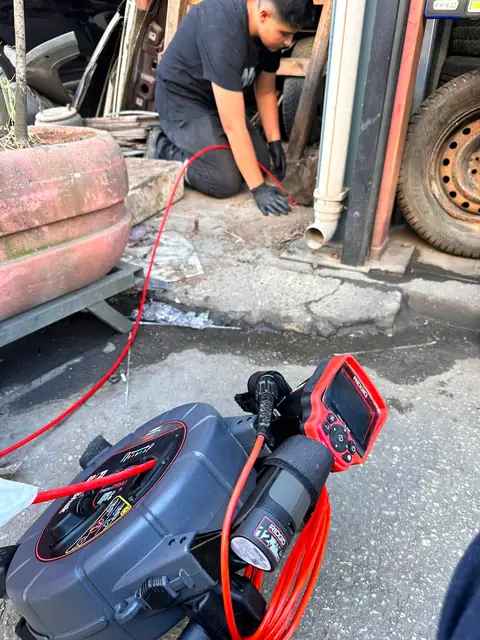
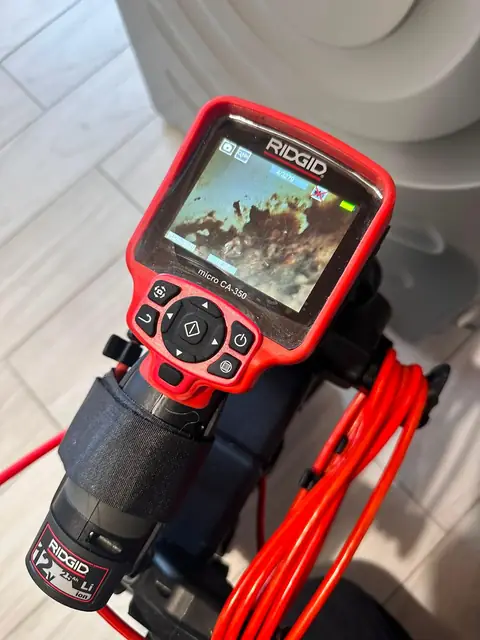
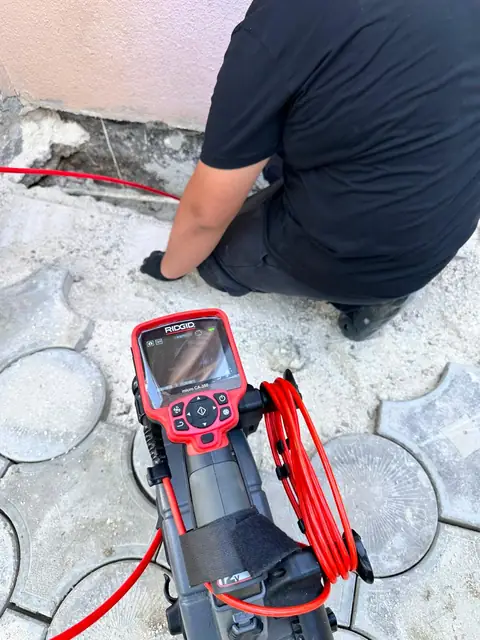
A pipe that blocks often sometimes has a problem with its layout rather than with what has built up inside. A pipe whose fall has been disturbed, whose diameter is too narrow for the drain's needs, or whose joint has shifted will fill up again however well it is cleaned. Looking at such a line with a camera shows where the lasting fix lies.