
Published: 17 October 2026
In short
- During a viewing, run all the taps and flush all the cisterns at the same time and watch how the water drains away.
- Open the cabinets under the washbasin and kitchen sink: a swollen base panel, white limescale marks and mould point to an old leak.
- If the home is on the ground or garden floor, always ask whether it has ever been flooded with dirty water.
- In older buildings, a camera inspection of the line before you decide reveals hidden cracks and collapses.
This check helps you know what to ask the seller or landlord, and it reduces the surprises you might meet in the first weeks after moving in. You can save the list on your phone and work through it room by room as you view the home.
Run the water all at once and listen
Turning on every tap in the home, plus the shower and the bath, and flushing the cistern at the same time tells you much more than testing each one separately. If the drains run freely on their own but slow down when they work together, the flat's main drain pipe or the shared stack it connects to may have narrowed. While the water is running, watch whether water collects in the washbasin or the shower tray.
Listen as well. Gurgling from the washbasin when the toilet is flushed, shower water making the water in the toilet bowl ripple, or a long trickling sound in the pipes after the taps are closed suggests a problem with ventilation or with the pipe's fall. Include these points in your test:
- The kitchen sink and the dishwasher connection
- The bathroom washbasin, shower tray or bath
- The toilet cistern, flushed twice in a row
- Balcony and floor drains, tested with a bucket of water
- The washing machine's discharge point
Which room smells strongest?
Drain smells are most noticeable in the bathroom, under the kitchen sink and around floor drains that have not been used for a long time. In an empty home the water in the traps evaporates, so a faint sewer smell is normal and goes away after the taps have run for a while. A smell that stays after you have run water, or that is strongest at the foot of one particular wall, points to a leak in a pipe or a problem in the shared stack.
If room spray was used just before the viewing, or all the windows were flung open, the smell may have been masked. If you can, view the home once more with the windows closed and after the water has been running for a while.
What do the areas under the counters and the ceilings tell you?
The areas under counters and the ceilings carry the marks of leaks that were missed or covered up. Open the cabinets under the washbasin and the sink and run your hand over the base. A swollen or softened panel, white limescale marks, mould stains or a container left inside the cabinet show that water is escaping from the trap or a connection. If you see a joint under the trap that has been wrapped in tape or patched with silicone, the problem may have been closed off only temporarily.
Look at the bathroom and kitchen ceilings too, especially if there is a bathroom on the floor above. A single freshly painted patch on the ceiling, yellowish rings or blistered paint can be the trace of a leak from above. In bathrooms with a suspended ceiling, watch for waviness and darkening at the joints between the panels.
Ask about flooding history on the ground and garden floor
For a home on the ground, garden or basement floor, the most important question is whether it has ever been flooded with dirty water. When the building's shared stack blocks, the water from the upper floors comes out of the lowest drain, so these floors are the first to be affected by any problem on the common line. Ask whether there is a backflow valve in the bathroom or the floor drain, and if you can see it, check its position.
Put this question to the neighbours and the building caretaker as well as the owner, because they are often the ones who remember a flood most clearly. Fresh plaster at the foot of the walls, skirting boards that have been removed and replaced, or parquet renewed in just one room can be traces of a flood in the past.
When does a camera inspection make sense in an older building?
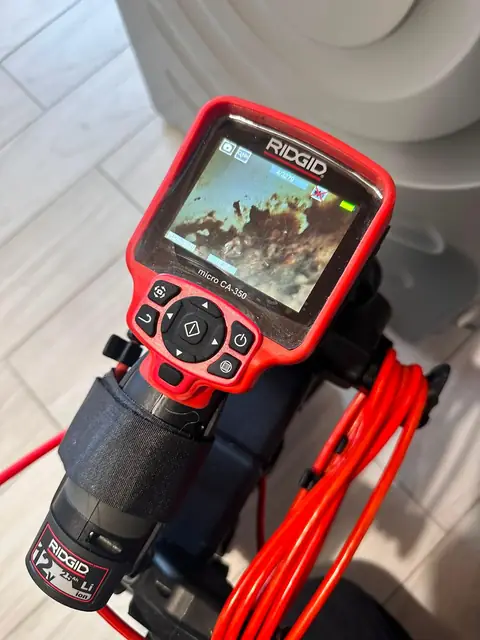
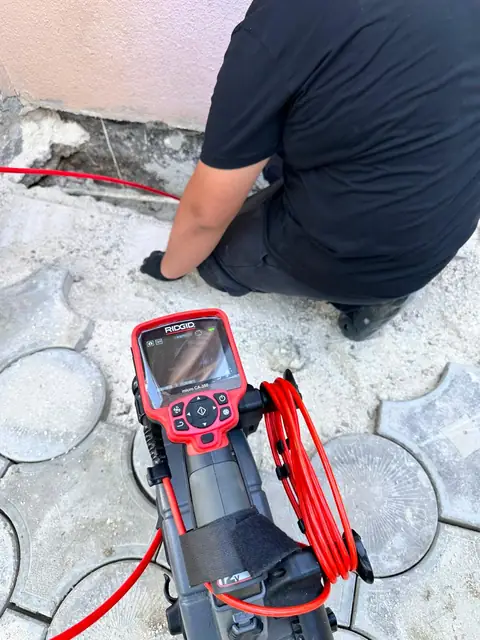
A camera inspection makes sense before you decide on an older building, especially one laid with concrete or cast iron pipes, one with large trees in the garden, or one that has had blockages before. The camera enters the line through a drain or manhole opening and shows whether there are cracks, root intrusion, collapses or displaced joints inside the pipe, without breaking anything. If you are planning a bathroom or kitchen renovation, this information reduces the chance of having to reopen the floor after the work is done.
In a rented home, the decision to inspect is usually taken together with the landlord. When you are buying, getting the video recording and keeping it with you when you talk to the seller lets you base the conversation on a concrete finding.
Questions to ask the landlord and the management
Asking a few questions at the end of the viewing fills in the part you cannot see with your eyes. Write the answers down; comparing what the management tells you with what the owner says often brings up a new question. Add these questions to your list:
- Has there been a blockage in the flat or the building recently, and in which drain?
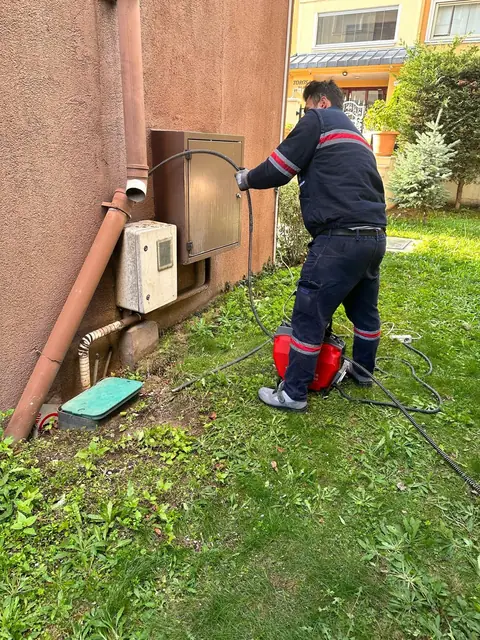
- When was the building's line last jetted, and is a maintenance record kept?
- Have the stacks or the main pipe ever been replaced, and with what material?
- Were the drain pipes also renewed during the bathroom and kitchen renovation?
- Is there a business producing food on the ground floor?
- Does water collect in the basement or the car park on rainy days?