Published: 17 October 2026
In short
- The best time to have the building's main line jetted is in the weeks before the autumn rains begin.
- In winter, noting down noise and smell complaints from the stacks floor by floor narrows down the problem section.
- Opening the manholes in spring and checking the flow shows early where roots and sand are settling.
- Writing every job in a logbook as a date, the work done and the finding takes the guesswork out of later decisions.
- Repeated blockages in the same stack are often caused by the habits of one of the flats connected to that stack.
When you adapt the calendar to your own building, take three things into account: the age of the building, whether there is a business on the ground floor, such as a restaurant or café, that produces greasy waste, and whether the line runs under trees in the garden. In an old building with trees, the spring inspection matters most. In a building with a kitchen underneath, the autumn jetting should never be postponed.
Autumn: have the line jetted before the first downpour
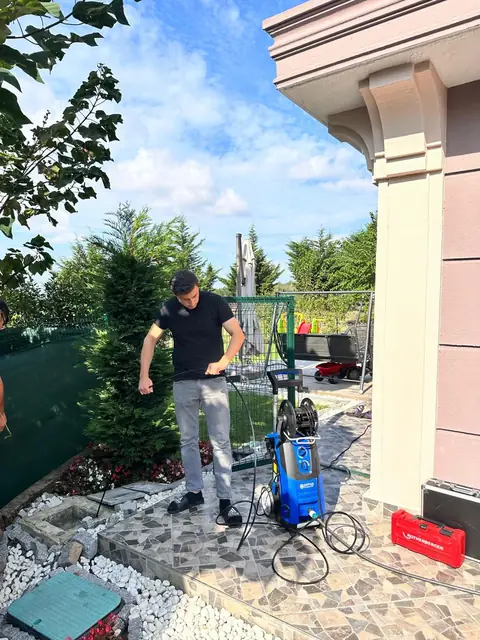
The first downpours of autumn suddenly put a load on top of the sediment that has built up in the line over the summer. In the low-flow weeks of summer, grease and paper dry on the pipe walls, and that is why basement drains and car park grates overflow in the first heavy rain. The right time to have the main line cleaned with high-pressure water jetting is in the weeks when residents back from holiday start using the drains heavily again but the rains have not yet set in.
At the same time, have the leaves in the roof and terrace drains and the soil and sand collected in balcony drains cleared. In buildings next to deciduous trees, this check can be repeated several times through the autumn. Put the following on your autumn list:
- Jetting the main sewer line from manhole to manhole
- Removing sand from the car park and garden grate channels
- Checking the roof rainwater drains for leaves and bird nests
- A short reminder to residents to clean their balcony drains
Winter: listen to the stacks and log complaints floor by floor
In winter the windows stay shut, so the smell from the stacks is noticed more and complaints rise. Note down every complaint with the flat number, the type of drain and the time. If several flats on the same stack send similar complaints, the source of the problem is most likely not inside the flats but in the shared pipe.
There are two signs to watch for on the stacks: a gurgling sound from a washbasin on a lower floor when a toilet is flushed upstairs, and bathroom floor drains that bring up water on their own. The second sign shows that a narrowing has started in the lower part of the stack, and the flat at the very bottom is always the first to suffer from it. If a backflow valve is fitted on the basement or ground-floor connections, have its flap checked in midwinter to make sure it moves freely.
Spring: open the manholes and check the flow
In spring, have the manhole covers opened and look at whether the water is flowing, and whether there is a grey layer of grease on the sides of the channel or a build-up of sand at the bottom. Do not let a caretaker or a resident climb down into the manhole. Gas that collects in a closed chamber is dangerous, and this check is done by lifting the cover from above.
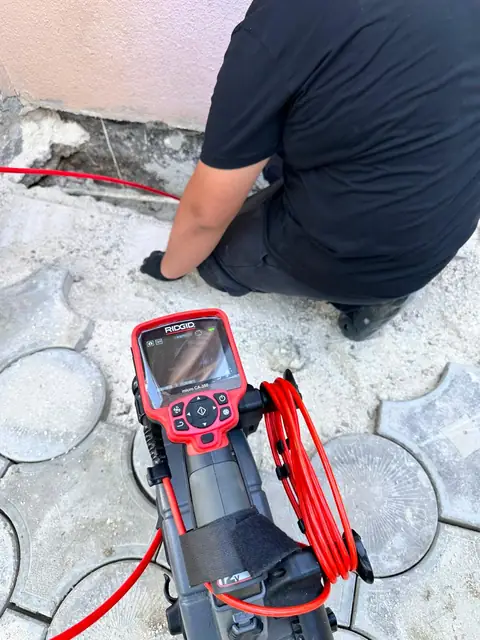
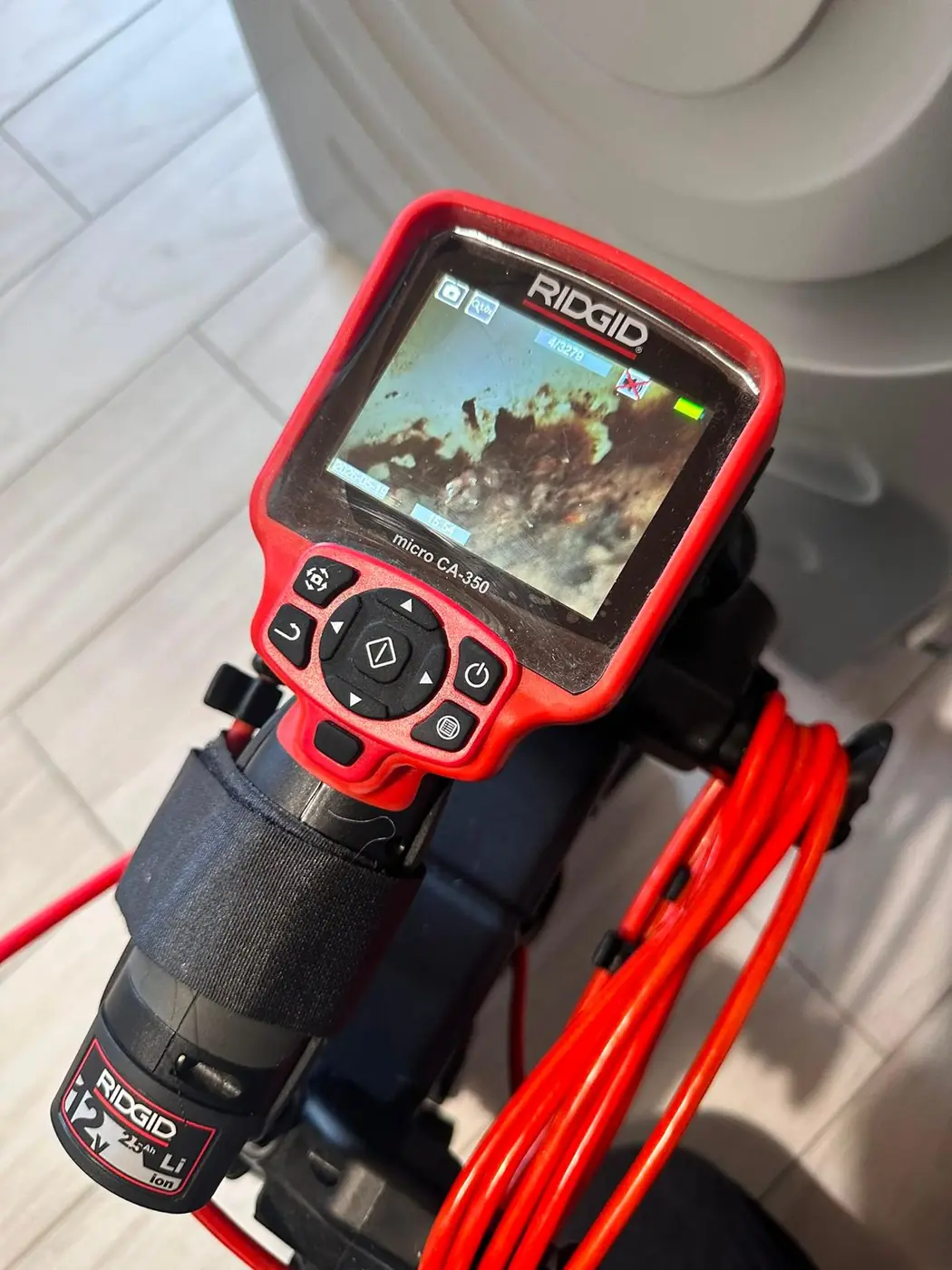
In buildings where the line runs under trees in the garden, roots grow quickly in spring. If there were blockages at the same point in earlier seasons, a CCTV drain camera inspection of the line in this period shows the position of the root and the condition of the pipe without breaking anything. Adding the footage to the maintenance file also means this information is not lost when the management changes.
Summer: a short, clear notice to residents
Summer is a good season to remind residents about drain use, because the aim is for the line to carry as little sediment as possible until the autumn jetting. Keep the notice short: a few lines pinned to the board and sent to the message group are enough. If there is a food business on the ground floor, also talk with them about emptying the grease trap regularly. You can put the following points in the notice:
- Wet wipes, sanitary pads, nappies and cotton buds do not go down the toilet.
- Frying oil is not poured down the sink. Collect it in a closed bottle.
- Coffee grounds and food scraps go in the bin, not the kitchen sink.
- Residents back from holiday should run water from all the taps for a while, because dried-out traps let smell up from the stack.
How do you find the flat causing the problem?
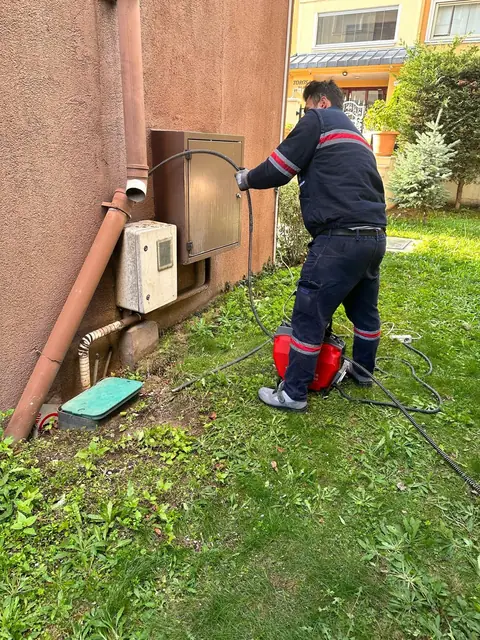
You find the flat causing the problem by looking at which stack the blockage is on and below which floor it formed. When a stack is blocked, the water comes out of the first drain just above the blockage, while the material that forms the plug usually comes from the upper floors connected to that stack. What comes out of a cleared blockage tells you a lot. A mass of wet wipes, cat litter or hardened grease shows what kind of habit the source is.
Do not turn this information into a tool for blame. Leaving a separate, polite note for the flats connected to the stack is often more effective than a general warning to the whole building. If the blockage keeps coming back in the same stack at short intervals, you need to have the line checked with a camera for a collapse or a displaced joint that is catching the plug.
Why keep a maintenance logbook?
A maintenance logbook records every drain job done in the building, so the next decision is not left to guesswork. When the management changes, the new manager has a history showing which manhole is a problem and which stack blocks more often. It does not matter whether the logbook is on paper or digital. What matters is that it is kept regularly. Every entry should include the following:
- The flat and the drain the complaint came from
- The work done: unclogging, jetting, camera inspection or part replacement
- The team's finding: roots, grease, sand, a collapse or a displaced joint
- Where the camera footage or photos are stored